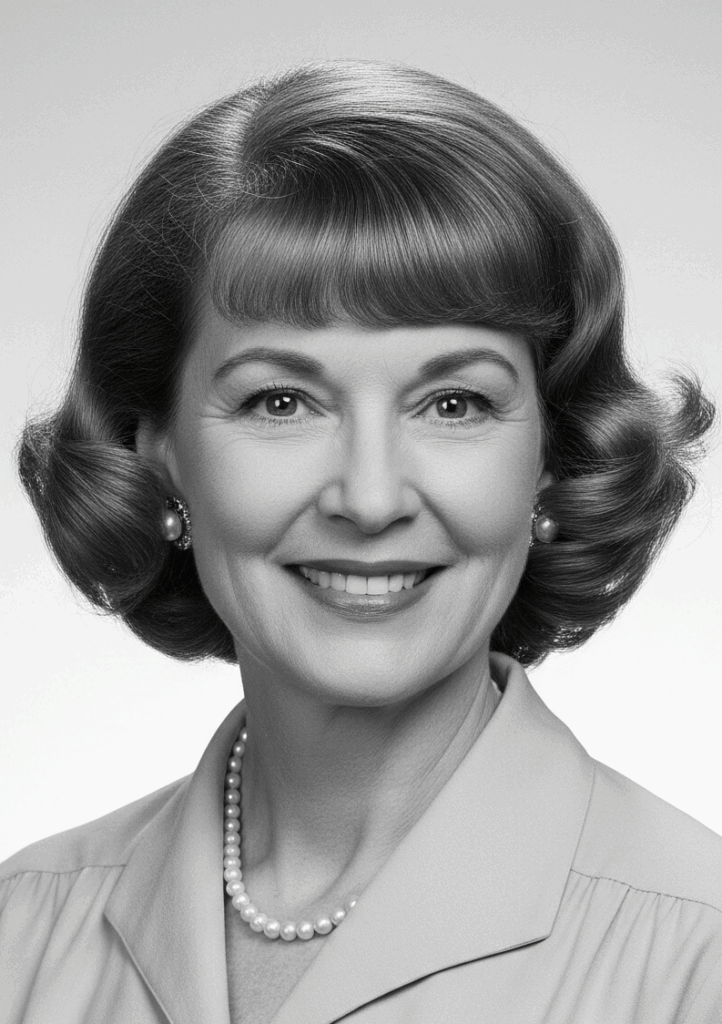
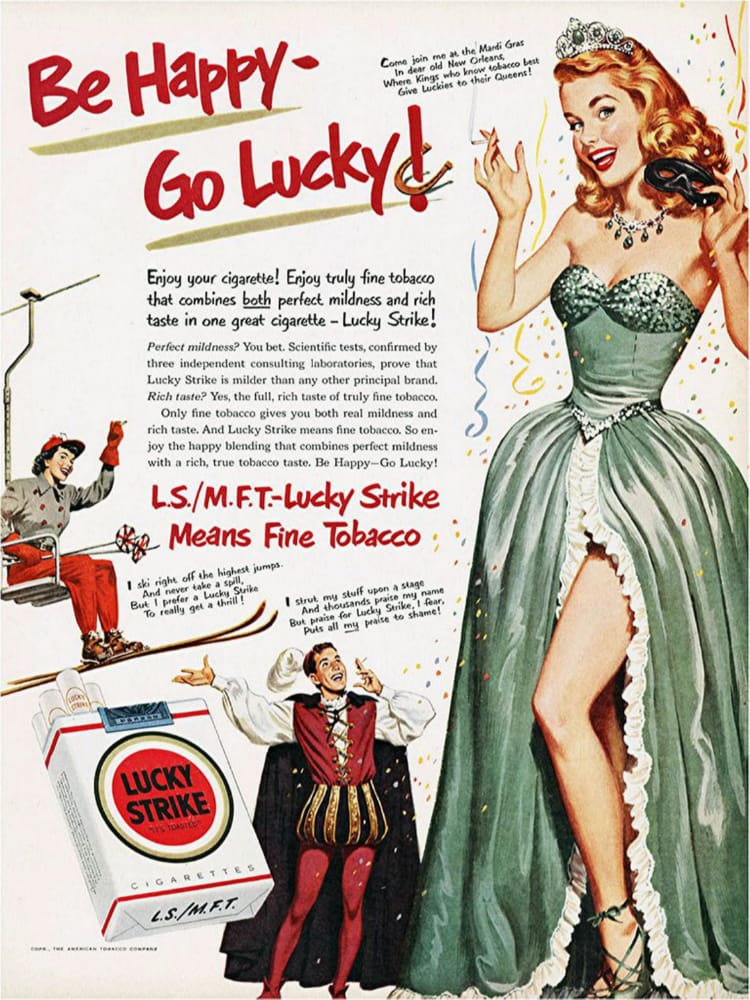
Get ready for a new voice in our advice column! This week, we’re thrilled to welcome Shirley Wendelski to the WRYL family.
We know how much you’ve enjoyed the wisdom and wit of Jadja Torkelwicz over the years. We’re incredibly grateful for her insightful guidance and wish her all the best as she retires to sunny Florida!
Shirley brings a fresh perspective and a warm heart to life’s challenges. We’re sure you’ll find her advice just as comforting and thought-provoking as you navigate your own twists and turns.
Please give Shirley a warm welcome!
Dear Shirley,
I’m a young woman in my early twenties, and I’ve found myself in quite a quandary. There’s a perfectly charming gentleman, Peter, who works at the soda fountain at Kressler’s Drug Store on Main Street. He’s got the nicest smile and always remembers how I like my cherry phosphate. The problem is, I don’t think he sees me as anything more than another customer! I’ve tried everything I can think of. I always wear my prettiest dresses when I go in, and I make sure my hair is just so. I even “accidentally” dropped my glove right in front of him last Tuesday, hoping he’d pick it up and our fingers would brush. He just pointed to it and said, “Ma’am, I believe you dropped this.” It was mortifying! My girlfriends tell me to be more “forward,” but frankly, the thought of directly telling a man my feelings makes me want to faint! Is there a subtle, ladylike way to let a fellow know you’re keen without making a spectacle of yourself? I’m worried if I don’t do something soon, he’ll be swooning over some other gal.
Sincerely, Pining for Peter
Dear Pining for Peter,
Oh, my dear, your predicament is as common as a poodle skirt at a sock hop! Many a heart has fluttered for a soda jerk with a kind smile. Rest assured, there are indeed ways to tip your hand without resorting to a grand declaration or, heaven forbid, tripping him with your dropped glove! First, let’s refine your “accidental” tactics. Instead of merely dropping something, try making eye contact and holding it just a fraction longer than polite. A warm, lingering gaze can speak volumes. When he’s handing you your phosphate, let your fingers “gently” brush his for a moment longer than necessary. A little spark, even a fleeting one, can ignite curiosity. Second, engage him in conversation beyond the weather. Ask him about his interests – does he follow baseball? Is he looking forward to the new picture show? Show genuine interest in his replies. Men, bless their hearts, do enjoy talking about themselves. And a compliment never goes amiss. Perhaps, “Stanley, you make the best cherry phosphate in the whole city!” Third, and this is where a touch of daring comes in, find a reason to linger or return. “Oh, dear, I seem to have forgotten my purse! I’ll be right back,” or “This phosphate is simply divine, I must try another next week!” Make yourself a pleasant, recurring fixture in his day. Familiarity, combined with your charming presence, can lead to fondness. And finally, my dear, if all else fails and you’ve tried these subtle cues, remember that sometimes a man needs a gentle nudge. You don’t have to declare undying love, but a simple, “Stanley, I always enjoy coming in here, you really brighten my day,” delivered with a genuine smile and that lingering eye contact, might just be the boldest, yet still ladylike, step you need to take. Good luck, Pining for Peter! May your future be as sweet as your favorite phosphate.
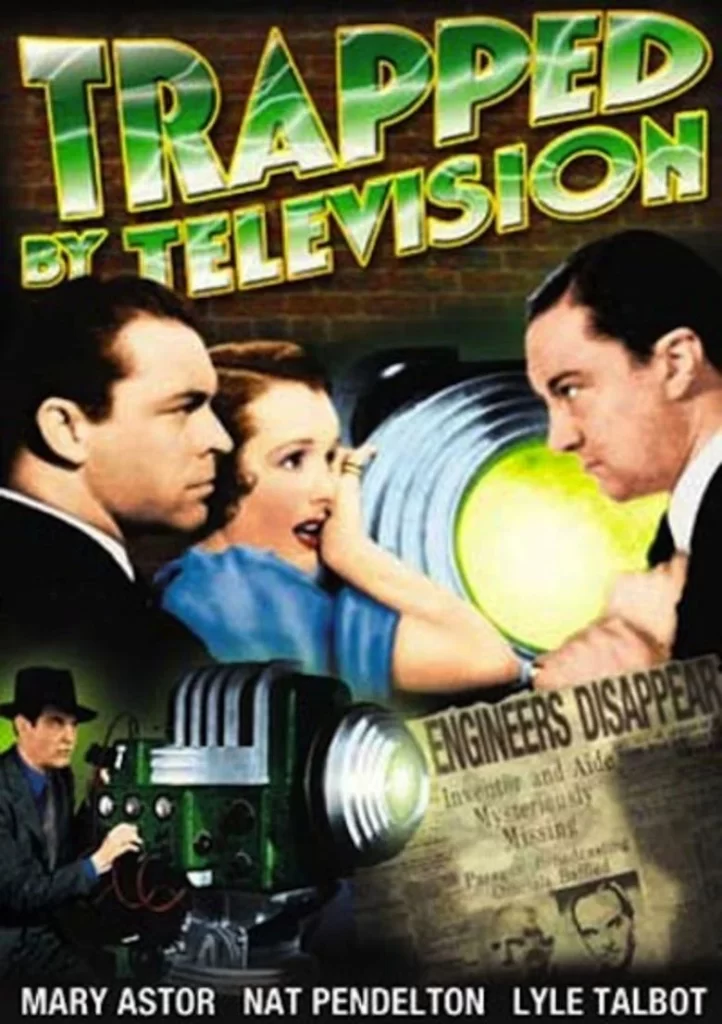
This weekend at the Royal Bijou Theater is a film classic. It is a four genre cinema treat. The comedy, drama, crime, science fiction masterpiece Trapped By Television – starring Mary Astor, Lyle Talbot and Nate Pendleton. This 1936 film was directed by Del Lord.
An inventor is working on his latest creation, a new form of television monitor and camera, but is struggling to complete his invention due to lack of funds. His monetary problems are compounded by an aggressive bill collector looking for payments, and competition from a rival scientist. When organized crime figures are added to the mix, the desperation level rises for our intrepid inventor.
After the movie, head out to the lobby and actually have the opportunity to be on television yourself. WRYL will have its mobile television studio set up inside the Royal Bijou Theater. Walk up and stand in front of the camera and say hello to all your friends in Royal. Don’t worry about being camera shy. Our own Stan Jorgenson from WRYL Radio will be right there with you on the air.
Saturday evening stop on down to the Royal VFW where Tommy Melk and the Melk Duds will serenade you with song and dance music. And what would be a Saturday evening without a surprise from Pastor Dzef and the crew at the Lunch Box Cafe. Homemade TV Dinners will be available at the Royal VFW. Each dinner served in an aluminum compartment tray. Choose from Turkey, Fried Chicken or Salisbury Steak. Each dinner served with mashed potatoes, mixed vegetables and apple compote. YUMMY!
Click the “Play” Button for a preview of the movie
The rhythmic whirl of the windmill had settled into a comforting hum, a constant testament to Ethan’s ingenuity. It had been a couple of weeks since that momentous flip of the “Power” switch, and in that time, Royal had begun to shed its shroud of desolation, thanks to Ethan’s persistent efforts. The house, once a silent monument to decay, now hummed with a growing energy, a quiet defiance against the wilderness encroaching around it.
Ethan had become a whirlwind of activity, moving through the house from top to bottom, assessing, cleaning, and mending. The tools from the shed, once alien in his hands, were now extensions of his will. He’d fixed the kitchen cabinets, their doors now closing with a satisfying click instead of a crooked groan. The incessant drip of leaky pipes in both the kitchen and the upstairs bathroom had been silenced, replaced by the steady flow of water.
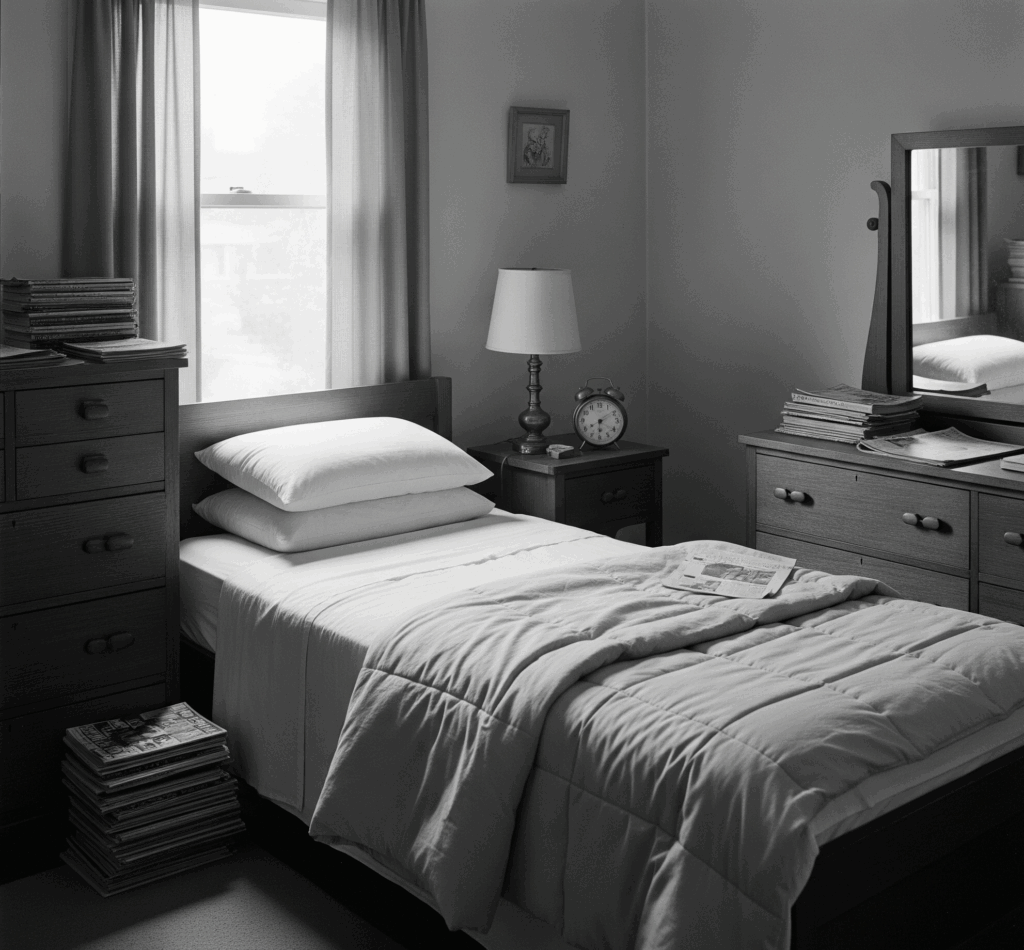
Upstairs, he’d waged a relentless war against the cobwebs, sweeping away years of neglect to reveal a gleam of hardwood floors. The grimy windows, once opaque with time, now offered clear views of the outside world, letting in the filtered sunlight. A genuine find in one of the bedroom closets was an old vacuum cleaner. After some determined tinkering, it sputtered to life, its familiar hum a welcome sound. He’d meticulously set up the bedroom furniture, then dragged the mattresses he’d found outside to the back porch. There, under the vast northern sky, he’d beaten years of dust from them with the back of a shovel, creating miniature dust storms with each powerful swing. Some forgotten sheets, a blanket, and pillows, aired out for hours, transformed a dusty room into “his” bedroom. The bedroom ceiling light glowed warmly, as did the small bedside lamp. Ethan stepped back, a small smile touching his lips. No more lumpy living room couch; he had a bed now, a genuine sanctuary. It was another small success that brought a deep sense of satisfaction.
The entire interior was steadily falling into place. The pervasive grime and neglect had been systematically eradicated. He’d even managed to unstick a few more windows, allowing the crisp, clean air to circulate freely through the house. Finding some old window screens in the back of the shed had been another small victory, and he’d painstakingly fitted them to several main-level windows, keeping out the persistent swarm of insects. The fresh air, once a distant memory, now permeated every room.
But the most significant triumph, the one that truly brought a sense of normalcy back into his life, was the running water. The few initial leaks and loose pipes had been easily remedied with his newfound proficiency with wrenches and pliers. And the hot water… it was nothing short of heavenly. Ethan had spent considerable time scrubbing the bathroom, battling the years of accumulated dirt and grime until the porcelain gleamed. The first shower he’d taken in weeks was a profound experience, the hot water washing away not just the physical dust but also a layer of the lingering despair.
And then there was the food. The root cellar, a cool, dark sanctuary beneath the house, had yielded a surprising bounty. Much of the canned fruit was mushy, its texture compromised by time, but the flavor was still there, a sweet, comforting reminder of simpler days. The canned vegetables were a little more crisp, and the pickles – oh, the pickles! – were a delightful surprise. The canned beef and chicken stews were more akin to baby food in consistency, but they filled his stomach, and the taste, though bland, was undeniably present. Ethan wasn’t going hungry, and that in itself was a comfort.
With the basic necessities of shelter and sustenance now largely in hand, Ethan began to venture outside. He started taking daily walks around the neighborhood, each deserted house an enigma waiting to be explored. He would stop at each one, studying its faded paint, its broken windows, its sagging porches. He let his imagination wander, weaving elaborate stories about the families who had lived there, their laughter, their arguments, their dreams echoing in his mind as he walked the silent streets.
In the evenings, as the sun dipped below the horizon and the windmill’s rhythmic turning became a soft, hypnotic hum, Ethan would take out his notebook and journal his thoughts. He meticulously described each house he’d visited, creating narratives around the lives of its former inhabitants. He also chronicled his own daily tasks, the small victories, the lingering frustrations. And sometimes, in the quiet solitude of the house, he would allow his raw emotions to spill onto the page. He would write about the searing anger at his parents, the inexplicable circumstances that had led him to this forgotten town. He would feel a familiar pang of self-pity for being stuck here, disconnected from the world he knew. And a deep, aching sadness for missing Peggy, the woman he loved, her face a vivid, painful memory in his mind.
But one thing remained untouched, a silent testament to a grief too raw to confront: his violin. It stayed in its case in the corner of the living room, a polished, beautiful instrument that now felt like a relic from another lifetime. His profound love for playing, once an inseparable part of his identity, had simply disappeared, replaced by a heavy, unyielding silence. Maybe it was the weeks of isolation, the sheer weight of everything he’d gone through, or perhaps it was his lingering anger, the resentment and belittlement from his parents that still resonated deeply within him, preventing him from playing.
In the evenings, to fill the quiet hours, Ethan would delve into the books, magazines, and old newspapers he’d found scattered around the house. With each article or story, Ethan discovered a little bit more about the history of life in Royal, piecing together fragments of a bygone era.
One evening, while exploring one of the bedrooms, he found an old picture frame. It was empty, much to his initial disappointment. However, a thought sparked in his mind. He retrieved the photos he’d brought from home, along with the mysterious photos he’d found on the coffee table that perplexing morning a few weeks prior. He carefully arranged them in the frame, a tangible connection to his past and to the enigma that was Royal. Next to the picture frame, he placed the key he’d also found on the coffee table that same morning. Every night, before drifting off to sleep, Ethan would look at the photographs and pick up the key, turning it over in his fingers. He’d closely studied the faces in the pictures, both familiar and unknown, and the worn metal of the key. Were they clues to a mystery? Or were they answers to questions that had been stored up inside of him for years, waiting for the right moment to surface?
The lecture hall is old, the kind with tiered seating and creaky wooden desks. A flickering fluorescent light casts a sickly yellow glow. Students trickle in, a mix of bell-bottoms and flannel shirts. JEFF’S (V.O.) voice, dry and slightly world-weary, begins.
JEFF (V.O.) Nineteen seventy-seven. Disco was king, though nobody I knew actually liked it. Disillusionment was the prevailing intellectual fashion, even amongst those of us who hadn’t yet accomplished anything to be disillusioned about. And in the hallowed, or perhaps just humid, halls of the University of Wisconsin – Milwaukee, a new kind of delusion was brewing: the belief that we could make movies.
PROFESSOR SHELDON SILVERMAN (50s, tweed jacket, perpetually distracted) stands at the front, adjusting his notes. He clears his throat.
PROFESSOR SILVERMAN Alright, settle down, settle down. Welcome to Film History 101. A journey, if you will, through the celluloid dreams that have… well, that have been projected onto screens for the better part of a century.
LEONARD (20, hunched, thick glasses perpetually sliding down his nose) shuffles in, followed by STANLEY (20, slicked-back hair, wearing a too-tight leisure suit).
STANLEY (Whispering loudly) Film History. Sounds… epic. Like the history of empires, but with more close-ups.
LEONARD (Adjusting his glasses) More likely a litany of forgotten filmmakers and the socio-political subtext of early nitrate stock. Riveting.
MARVIN (20, longish hair, wearing a band t-shirt two sizes too big) ambles in, a look of profound boredom etched on his face. DEBORAH (20, bright-eyed, carrying a stack of film theory books) enters next, trying to appear organized. CYNTHIA (20, pale, perpetually inhaling and exhaling, though no cigarette is visible) trails behind.
They find seats in the middle, clustering together almost instinctively.
PROFESSOR SILVERMAN (Continuing) Today, we begin with the Lumière brothers. Pioneers! Thinkers! Men with a… a vision for capturing reality. Though their reality, I suspect, was considerably less… anxiety-ridden than our own.
LEONARD (Muttering) Try dealing with existential dread and a faulty camera, Professor. Then talk to me about anxiety.
STANLEY (Scoffs) The Lumières? Amateurs. They were making glorified home movies. Where’s the glamour? The sweeping scores? The love triangles?
MARVIN (Deadpan) Maybe the love triangle was between the camera, the tripod, and the roll of film.
Cynthia lets out a dry, silent laugh, a puff of imaginary smoke escaping her lips. Deborah nudges Stanley.
DEBORAH Stanley, be serious. This is foundational stuff. We need to understand the basics before we can, you know… revolutionize cinema.
STANLEY Revolutionize? Debbie, darling, we’re going to Hollywoodize cinema! Think big! Think spectacle! Think… my agent calling Spielberg!
A hand shoots up in the front row.
STUDENT 1 Professor Silverman, will we be discussing the Marxist interpretations of The Great Train Robbery?
Leonard groans softly.
LEONARD Oh, God. Here we go.
MARVIN (Under his breath) I’d rather discuss the actual robbery of a great train. At least that has some narrative drive.
PROFESSOR SILVERMAN (Adjusting his tie) Well, yes, we can certainly touch upon the… socio-economic implications of early narrative film. Though I find the lens of Freudian analysis equally… perplexing.
Another hand goes up.
STUDENT 2 Will there be extra credit opportunities? I’m already feeling a bit overwhelmed by the syllabus.
CYNTHIA (To herself, exhaling) Overwhelmed? Honey, you haven’t even lived yet. Try a lifetime of vague disappointment. That’s overwhelming.
Leonard snorts, trying to stifle a laugh. Stanley beams, sensing an audience.
STANLEY Extra credit? The only extra credit in this business is when your film makes a billion dollars! Then everyone wants a piece of your… genius.
Deborah sighs, pinching the bridge of her nose.
DEBORAH Can we just focus on the lecture? Please?
Professor Silverman drones on, oblivious to the miniature theatre of the absurd unfolding in the middle of the hall. Leonard catches Cynthia’s eye, a small smile playing on his lips. Marvin subtly nods in agreement with one of Leonard’s muttered sarcastic remarks. A shared sense of bewildered amusement begins to weave its way through the group.
The loud RING of the class bell echoes through the hall. Students begin to pack their bags.
PROFESSOR SILVERMAN Alright, that’s all for today. Next week, we delve into the groundbreaking… uh… techniques of D.W. Griffith. Don’t forget the reading! It’s… illuminating. In a dusty sort of way.
The five hapless souls rise, their movements still slightly awkward and uncertain, but a subtle shift has occurred.
DEBORAH: So, anyone want to grab some coffee? The Union should be… less depressing than this.
STANLEY Coffee? Excellent! We can discuss my ideas for a gritty, neo-realist musical set in a Milwaukee brewery! It’s got… passion. And polka.
LEONARD (Dryly) Sounds… plausible.
MARVIN As long as the coffee is strong enough to erase the last fifty minutes from my memory, I’m in.
Cynthia nods in agreement, taking a long, satisfying drag on her invisible cigarette. They walk out of the lecture hall together, a budding, unlikely camaraderie forming in the stale air.
JEFF (V.O.) And so it began. Five strangers, united by a shared delusion and a profound lack of direction. Little did they know, their journey into the world of filmmaking would be less about glamorous premieres and artistic triumphs, and more about lukewarm coffee, endless arguments, and the persistent feeling that they were all in way over their heads. But for now, there was coffee. And the faint, flickering hope that maybe, just maybe, they weren’t quite so alone in their haplessness.
EXT. UNIVERSITY HALLWAY – CONTINUOUS
The group walks down the crowded hallway, their voices blending with the general student noise.
In the quiet, dusty basement of the long-abandoned radio station WRYL, a remarkable discovery was made: a weathered wooden box containing a collection of unproduced screenplays. Penned in pencil on looseleaf paper, these scripts date back to the late 1970s, offering a fascinating glimpse into a creative mind from a bygone era.
The identity of the author remains a mystery. It’s believed these screenplays were written by a young college student who found himself stranded in the deserted town of Royal. This individual’s sudden and unexplained disappearance is still an open case with local authorities, adding another layer of intrigue to the collection.
“The Lost Screenplays” presents these rediscovered works, some incomplete or damaged by the passage of time. This ongoing effort aims to preserve and showcase the imaginative spirit of the mysterious traveler who, for a brief period, called Royal home.
Dear Jadja, My boyfriend is going to be 20 years old next month. I’d like to give him something nice for his birthday. What do you think he’d like? Linda
Dear Linda, Nevermind what he’d like, give him a tie. Jadja
Pastor Dzef takes you into a language adventure. Learn Polish and sing along with the Lupinska sisters at the Royal VFW. Use these words in your English conversations and eventually you will become bi-lingual. Practice along with the Royal community. Watch for upcoming Polish language summer camps, Polish story time at the Royal Library and the Kielbasa eating contest at the Lunch Box Cafe
The summer of ’77 hung heavy and humid over Madison, Wisconsin. For Ethan, the sweltering air was a familiar blanket, much like the worn denim jacket he favored. He’d just wrapped up his sophomore year at the University of Wisconsin, his mind a vibrant canvas splashed with the hues of musical scores, theatrical sets, and the flickering images of potential screenplays. Living off-campus with Peggy and a couple of other art-minded souls, Ethan felt a contentment that hummed beneath the surface of his days. His part-time gig as a security guard at a quiet warehouse provided just enough cash for rent, records, and the occasional late-night pizza run. He was happy, genuinely so, his future a bright melody waiting to be played.
His parents, however, conducted a different symphony – one of disapproval and dire predictions. They saw his artistic pursuits as frivolous indulgences, a costly detour on the road to a “real” career. In their eyes, the security guard uniform was a prophetic glimpse into his stagnant future. His friends, with their long hair and talk of revolution and free love, were deemed a bad influence, Peggy bearing the brunt of their disdain. Her “hippie lifestyle,” as they called it with a sneer, was blamed for his supposed deviation from their narrow path. Every phone call, every visit home, was a battleground where Ethan found himself constantly defending Peggy and his choices, the chasm between him and his parents widening with each strained word.
A fragile truce existed in the form of his grandfather. The old man, a silent observer in the family drama, harbored a secret kinship with Ethan. He too had once dreamed in melodies and brushstrokes, a musician and artist in his youth. But the harsh realities of the Depression had silenced his own artistic aspirations, forcing him into a string of practical, soul-numbing jobs. His wife, Ethan’s grandmother, a pragmatist forged in the crucible of hardship, had instilled in their son the unwavering belief that money was the sole measure of success and happiness. This mantra had been relentlessly drilled into Ethan’s father, who now echoed it with fervor, seeing only poverty and disappointment in his son’s chosen path.
The air in his parents’ meticulously kept suburban home always felt thick with unspoken judgment. One stifling afternoon, while Ethan was begrudgingly visiting, the shrill ring of the phone sliced through the tense silence. His mother answered, her voice clipped and unwelcoming. “It’s Peggy,” she announced, her tone laced with disapproval before barking, “Ethan, get the kitchen phone.”
Ethan hurried into the linoleum-floored kitchen, unaware that his mother hadn’t hung up the phone in the bedroom. Peggy’s voice, usually bright and cheerful, was bubbling with an almost frantic excitement. “Ethan! Oh, Ethan, you won’t believe it! Our lives are going to change in a few months!”
Confusion furrowed Ethan’s brow. “What are you talking about, Peg?”
“I was going to wait until you got back home tomorrow,” she said, her voice trembling slightly, “but I just can’t keep it in any longer…” A small pause hung in the air. “Ethan…We’re expecting.”
That’s when Ethan heard it – a distinct click as the receiver on the other line was abruptly hung up. He shrugged it off.
A wave of disbelief washed over him. “Expecting what?”
“A litter!” Peggy exclaimed, her joy palpable. “Chloe’s pregnant! Our little Chloe is going to be a mama!”
Ethan, his mind already racing with questions about impending kittenhood. “Wow, that’s… wow! When do you think they’ll arrive? Do we need to get a little box ready? More food?” He was rambling, a nervous energy bubbling inside him.
His mother walked past him, her face a mask of shock and a cold fury he’d never witnessed before. She didn’t utter a single word, her eyes boring into him.
“Hey, Peg,” Ethan said into the phone, trying to ignore the palpable tension, “I need to grab a few things from home. I’ll be back tomorrow morning, okay?” He said goodbye, hung up, and turned to face the living room, where his mother stood frozen, her gaze unwavering and hostile. He simply shrugged, a gesture of bewildered resignation, and headed downstairs to the laundry room.
The dryer was still whirring, so Ethan wandered over to the dusty shelves lining the basement walls. A cardboard box caught his eye, labeled in faded marker: “Family Photos.” He pulled it down and lifted the lid, revealing stacks of old albums. He picked one at random and began to leaf through the brittle pages. Black and white images of his grandparents stared back at him, young and almost unfamiliar. Ethan didn’t see any children in the early photos, leading him to believe they were from before or just after their marriage.
Then he found a series of snapshots taken at a rustic lakeside cabin. His grandfather’s smile in these pictures was radiant, a stark contrast to the stoic expression he usually wore. Ethan’s curiosity deepened. He kept turning the pages, discovering more glimpses into a past he never knew existed. There were photos of his grandfather playing an accordion, his fingers dancing across the keys. Another showed him holding a violin, his head tilted in concentration. One particular photograph snagged his attention – his grandfather singing a duet with a woman Ethan didn’t recognize. It wasn’t his grandmother.
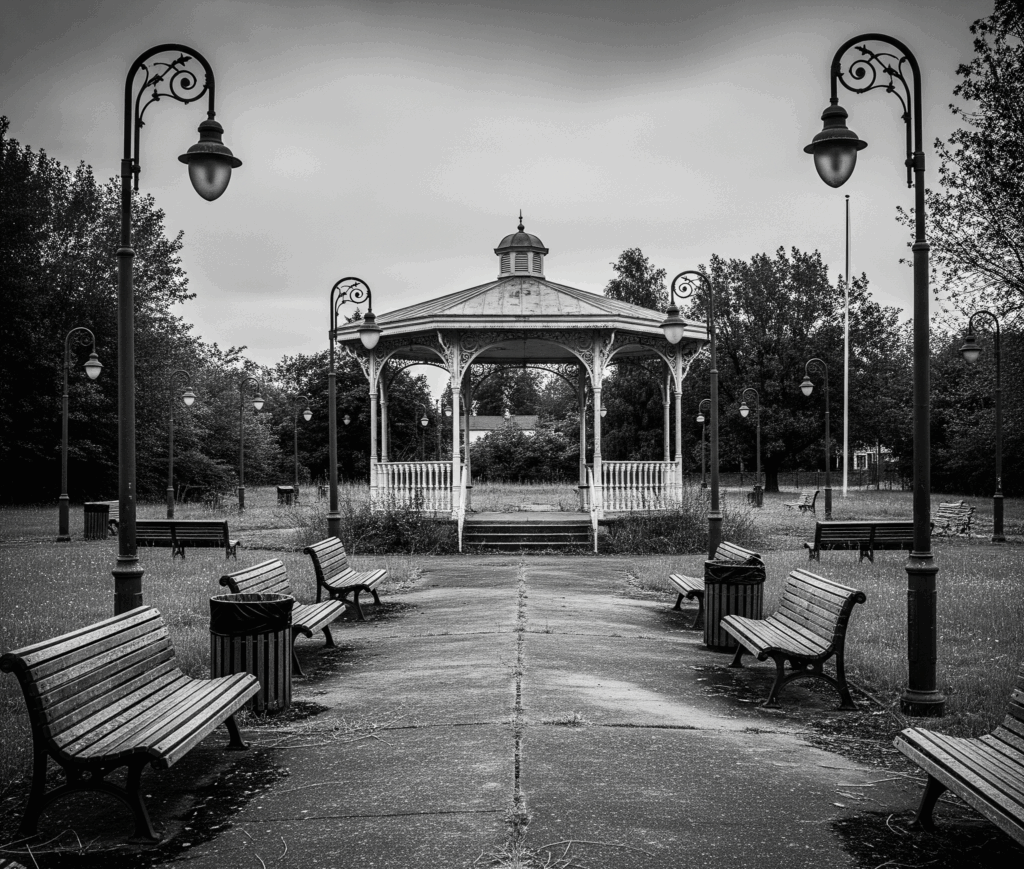
Further on, there were images of a quaint park in the center of a small town. A gazebo stood proudly in the middle, and in one photo, his grandfather was part of a small band playing within it. A sign hung next to the gazebo, but the photo was taken from a distance, the lettering blurred and illegible.
Intrigued, Ethan carried the album over to his father’s cluttered workbench. A magnifying glass lay amongst the tools. He carefully positioned it over the sign in the photograph, adjusting the focus until the blurry shapes resolved into words: “Tommy Melk and the Melk Duds.”
Tommy Melk and the Melk Duds? His grandfather, a musician in a band? Why had he never mentioned this? Why the silence, especially now, when Ethan was facing the same parental disapproval his grandfather must have known?
He turned the page, hoping for more clues and a clearer image of the woman in the duet. A folded piece of paper slipped out of the album and fluttered to the concrete floor. Ethan picked it up. It was an advertisement, faded and creased, for the “Royal Art Festival” in Central Park, Royal. Beneath the bold title, a list of featured entertainment included “Tommy Melk and the Melk Duds.”
Ethan’s heart quickened. Royal? He scanned the rest of the advertisement. It was sponsored by Anderson’s General Store, Sven’s Mortuary and Cold Storage (a peculiar combination, he thought), and The Lunchbox Cafe. The bottom of the paper was torn and discolored, but he could just make out “County Road JJ” and what looked like “Silver Lake.” That had to be the lake in the photos!
A sudden urgency gripped Ethan. He needed to know more. He went to the basement phone and dialed his grandparents’ number. His grandmother answered, her voice pleasant but guarded. After a brief exchange of pleasantries, she handed the phone to his grandfather.
“Hi, Grandpa,” Ethan began, his voice tight with anticipation. “Tommy Melk and the Melk Duds?”
A long, heavy silence stretched across the line. Then, his grandfather’s voice, low and strained, finally broke it. “Not now,” he said abruptly, and the line went dead.
Ethan stared at the receiver, a knot of confusion tightening in his stomach. Why the sudden hang-up? Ethan considered calling back but decided against it. He tucked the advertisement and a few of the photos into a thick textbook in his backpack for safekeeping, then retrieved his laundry from the dryer, folded it and packed it into his suitcase. He carried it upstairs, the silence in the house amplifying the unease he felt but couldn’t quite place.
Later, the three of them sat around the kitchen table for dinner, an unnerving stillness hanging in the air. Finally, his father cleared his throat. “Your mother and I were talking before dinner,” he began, his voice flat, “and I have just one question for you.”
“What’s the question, Dad?” Ethan replied, bracing himself.
His father looked directly at him, his eyes hard. “Did you knock Peggy up?”
The question hit Ethan like a physical blow. The click on the phone… his mother had been listening. A surge of anger coursed through him. He turned to his mother, his voice rising. “How dare you eavesdrop on my conversations! You have no right!”
“I have every right to know what’s going on in this house!” she retorted, her voice sharp.
Ethan shot back, a smugness coloring his tone, “Well, it didn’t happen in this house,” and his mother’s face crumpled, tears welling in her eyes.
His father slammed his hand on the table. “I demand to know! Did you get Peggy pregnant?”
Ethan turned to him, his own anger now burning hot. “What if I did? What business is it of yours? This is my concern, not yours.” With that, he stood up, grabbed his suitcase, his violin case, and his backpack from his room, and stormed out of the house.
Ethan shoved everything into the backseat of Bessie, his beat-up but beloved Mercury Cougar. As he slammed the car door and walked around to the driver’s side, his parents emerged from the house, their faces etched with a mixture of fury and disbelief.
“Where do you think you’re going?” his father demanded.
“What’s it to you?” Ethan shot back, his voice trembling with a mixture of rage and hurt. “Why should you care? It’s always about you and Mom. It’s always about how my actions affect your precious social circle. Well, forget it. I’m out of here. And one last thing,” Ethan added, his voice thick with bitterness, “you two could never be grandparents.”
Ethan slid into the driver’s seat, started the engine, backed out of the driveway, and drove away, never once looking back.
Miles blurred into a hazy stream of asphalt. Ethan’s anger, initially a raging fire, began to simmer down to a dull ache. He needed to clear his head. He pulled into the deserted parking lot of a roadside grocery store, killed the engine, and sat in the sudden silence.
Reaching into the backseat, Ethan grabbed his backpack and pulled out the textbook containing the photos and the festival advertisement. He opened the glove compartment and retrieved a tattered roadmap. Ethan scanned the map, searching for County Road JJ or Silver Lake, whichever appeared first. He found County Road JJ and traced it with his finger, following its winding path north. Then he located Silver Lake. But Royal… Royal wasn’t marked on the map.
Ethan knew it existed. He held the proof in his hands. Maybe if he drove up to the general area, he could find it, or at least find out what had happened to it. The thought was impulsive, reckless even. He’d lose his job, possibly his friends. And Peggy… the thought of leaving Peggy twisted in his gut.
But a persistent whisper, a feeling deep within him, urged him onward. The answers he sought weren’t here, in the familiar streets of Madison. They lay somewhere up north, shrouded in the silence of a forgotten town.
Ethan pulled out his wallet, counting the meager bills inside. It wasn’t much, but it should be enough to get him there and back, hopefully. He started Bessie, the engine sputtering to life, and pulled out of the parking lot. He stopped at a gas station convenience store, filling the tank and grabbing some groceries, soda, snacks, and a bag of ice. Ethan stopped at the payphone inside the convience store. Ethan tried calling Peggy but the line was busy. He waited a couple of minutes and tried again but the line was still busy. Ethan left the store, packed the cooler he got from the trunk of his car and put it in the passenger seat. Ethan looked at the roadmap, and traced the highways going north.
The sun was beginning its slow descent, painting the sky in hues of orange and purple. It was going to be a long drive, and Ethan had no idea what he would find at the end of it. But as Bessie rumbled steadily northward, a strange sense of anticipation, tinged with a nervous excitement, began to bloom in his chest. He was leaving one life behind, driven by a faded advertisement and the ghost of a melody he’d never heard.