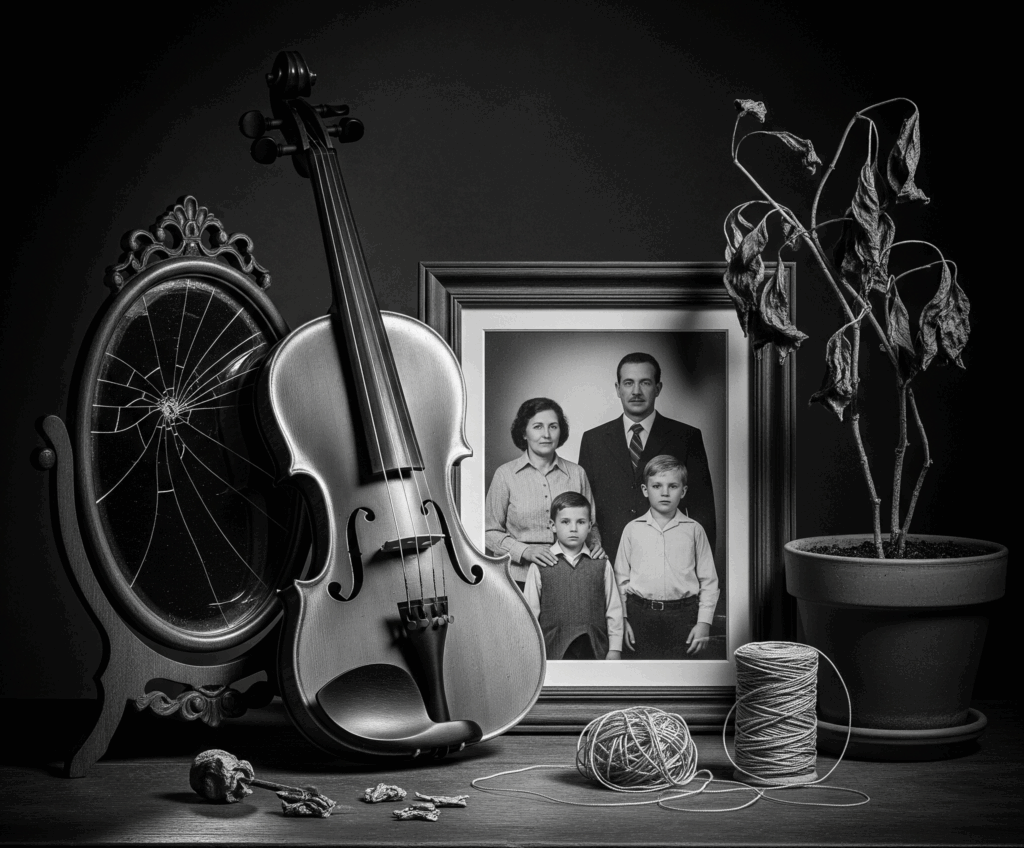
I may be crazy, but it seems to me that . . .

Author: Jeff (Page 7 of 12)

Polish Word For The Day

Pastor Dzef takes you into a language adventure. Learn Polish and sing along with the Lupinska sisters at the Royal VFW. Use these words in your English conversations and eventually you will become bi-lingual. Practice along with the Royal community. Watch for upcoming Polish language summer camps, Polish story time at the Royal Library and the Kielbasa eating contest at the Lunch Box Cafe

Let’s Learn The Four Seasons

Zima (shzee ma) – Winter

Wiosna (vee oh snah) – Spring

Lato (lah toe) – Summer

Jesien (yeh shen) – Fall

WRYL Presents

The Wit And Wisdom Of Horace B Miesner

Mirrors show us what we look like, not who we are (thank goodness).


WRYL – The Voice of the Great Up North

Scene 2 – The Super 8 Project

INT. STUDENT UNION – DAY

The Student Union is a buzzing hive of activity. Students mill about, some studying, some playing foosball. Our five main characters are huddled on a collection of mismatched, vaguely stained couches and armchairs in a corner. Half-empty coffee cups and discarded wrappers litter the small table in front of them. JEFF’S (V.O.) voice returns, a little more resigned this time.

JEFF (V.O.) The Student Union. A kind of intellectual purgatory, where grand ideas went to die over lukewarm coffee and the persistent aroma of stale pizza. After a week of academic immersion, or what passed for it, our fearless filmmakers were now grappling with their first existential crisis: the Super 8 project.

LEONARD meticulously wipes down his glasses, even though they look perfectly clean. STANLEY gestures wildly with a half-eaten Danish. MARVIN sips his coffee, utterly unperturbed by the chaos around him. DEBORAH, ever the pragmatist, consults a small, precise notebook. CYNTHIA lights up another imaginary cigarette, exhaling with a sigh that could curdle milk.

DEBORAH So, the Super 8 assignment. “A visual narrative without sound.” Professor Silverman was very clear about the imagery needing to convey the story. No cheating with title cards.

STANLEY (Leaning forward conspiratorially) “Visual narrative.” Exactly! This is where we separate the artists from the… well, from the people who just show up for class. I’m thinking a sweeping epic. A young man, trapped by the banality of suburban life, dreams of Hollywood glory. We see him packing a single suitcase, the light glinting off a framed photo of Orson Welles. Cut to him hitchhiking, the open road, endless possibilities!

LEONARD (Pinching the bridge of his nose) Stanley, it’s Super 8. And it’s due in two weeks. Are we talking about an actual film, or your therapy session played out on celluloid? Because frankly, the latter might be more achievable.

MARVIN (Without looking up from his coffee) Maybe the visual narrative is just him staring at the camera for three minutes, conveying the crushing weight of artistic ambition. Minimalist. Profound.

Cynthia lets out a soft, smoky chuckle.

CYNTHIA Or just the crushing weight of tuition bills. That’s a narrative I understand.

DEBORAH (Tapping her pen on her notebook) My idea is about a woman trying to find her place in a rapidly changing world. We could use reflections in windows to symbolize introspection, perhaps a shot of her walking against the flow of foot traffic to show her individualism. It’s subtle, but powerful.

STANLEY (Dismissively) Subtle? Debbie, darling, subtlety is for tax accountants! We need bold strokes! Like, a montage of her furiously disco dancing in a library! To show her rebellion!

LEONARD (Shuddering) Please, no disco. My ears haven’t recovered from the Gasthaus jukebox. Besides, if we’re relying solely on imagery, how do we convey complex emotional states? The inherent anxieties of a man trapped in a labyrinth of his own neuroses, for example? A tracking shot of his rapidly deteriorating hairline?

MARVIN (Taking another sip) You could just film a close-up of a blinking light. It’d convey the same thing. And it’s cheaper.

JEFF (V.O.) Marvin, in his own short succinct way, was often the voice of reason. A rather cynical, gravelly voice of reason, but reason nonetheless.

CYNTHIA (Exhaling an imaginary plume) I was thinking something about a person escaping. Just… escaping. We could show a series of mundane objects, like a chipped coffee mug, an overflowing ashtray, then cut to a shot of bare feet running down a road. No explanation. Just… the feeling of needing to get out.

Deborah nods slowly, considering this.

DEBORAH That’s actually… quite evocative, Cynthia. The ambiguity works.

STANLEY Ambiguity? Debbie, you don’t win Oscars with ambiguity! You win with grand gestures and a stirring musical score that makes the audience weep! Weeping! That’s the key!

LEONARD (Adjusting his glasses for the hundredth time) But if the audience is weeping, Stanley, it’s usually because they’ve realized they just paid seven dollars for a film that features a milkman disco dancing.

Stanley slumps back, momentarily defeated.

STANLEY Fine. No disco milkman. For now. But I’m still convinced a long shot of me, silhouetted against a dramatic sunset, could convey existential yearning.

MARVIN It would certainly convey something. Probably just low blood sugar.

The group falls into a comfortable silence for a moment, the hum of the Student Union a dull backdrop. They sip their coffees, each lost in thought about their impossible film assignments.

DEBORAH (Breaking the silence, a hopeful tone in her voice) You know, even if these first films are terrible… we’re actually doing it. We’re making something.

LEONARD (A small, tentative smile) Yes. The potential for catastrophic failure has never been so high. It’s… exhilarating. In a way that causes stomach cramps.

STANLEY (Perking up, a glint in his eye) Catastrophic failure is just a stepping stone to legendary status! Besides, we’re all in this together. A team! The next great American filmmaking collective!

Marvin raises his coffee cup in a silent, sarcastic toast. Cynthia gives a half-smile, exhaling another puff of imaginary smoke. The idea, outlandish as it was, settled around them like a comforting, if slightly absurd, blanket.

JEFF (V.O.) And so, the seeds of collaboration were sown amidst the sticky tables and the lukewarm coffee. They were a motley crew, to be sure. A neurotic intellectual, a Hollywood dreamer, a cynical observer, an earnest idealist, and a world-weary phantom smoker. They had no idea what they were doing, which, in the context of filmmaking, often meant they were exactly where they needed to be. The Super 8 cameras awaited, and with them, the glorious, and likely hilarious, beginnings of their cinematic careers.

Chapter 9: The House Across the Street

The days in Royal began to stretch, each one mirroring the last. Routine set in, and boredom gnawed at Ethan. While his journal remained a constant, his emotions grew more intense, raw, and unfiltered on the page. Anger, boredom, and frustration began to take their toll.

Ethan would sit for hours, staring out the front window at the empty street. His mind drifted, pulling at different memories, different scenarios. He was searching for a past that made sense, but it remained elusive. His gaze often fell upon his violin case. Once a source of love and passion, it now evoked only hate and depression. “I wouldn’t be here if it wasn’t for my violin,” he’d mutter to himself. “What if I listened to my parents? Why was I so stubborn?” There were times he actually considered throwing the violin into the fireplace and burning it, but what would that accomplish? And then, visions of his grandfather playing in the park gazebo would flicker, adding to his confusion, anger, and depression.

The walks around the neighborhood offered a partial reprieve. Ethan found that the more he explored, the clearer his mind became. Sitting at home doing nothing, his thoughts would unravel, and his emotions would play relentless mind games. He discovered that writing in his journal or immersing himself in books and magazines kept those mental battles at bay. But there was only so much reading and writing one could do. Ethan needed more.

That’s when he remembered the key he’d found on the coffee table. One day, he picked it up and went around the house, trying it on every door that had a lock. Surprisingly, it worked. It worked remarkably well, in fact. He could now lock up the house, the shed, and even the utility shack housing the electric generator. “I’m now safe and secured from unwanted intruders living in this ghost town,” he said mockingly to himself, a hollow laugh escaping his lips.

That night, Ethan finished his journal and read a couple of chapters from a book. Tiredness crept in, and he headed upstairs for bed. After brushing his teeth and having one last glass of water, he unmade his bed. He switched on the bedside lamp, then turned off the ceiling light. He walked to the bedroom window, which overlooked the street. He looked at the dark, deserted houses across the way, and his imagination took flight. He started to dream of what life was like here many years ago—the families, their lives, their loves. Ethan yearned for a life like that, a life of love and acceptance.

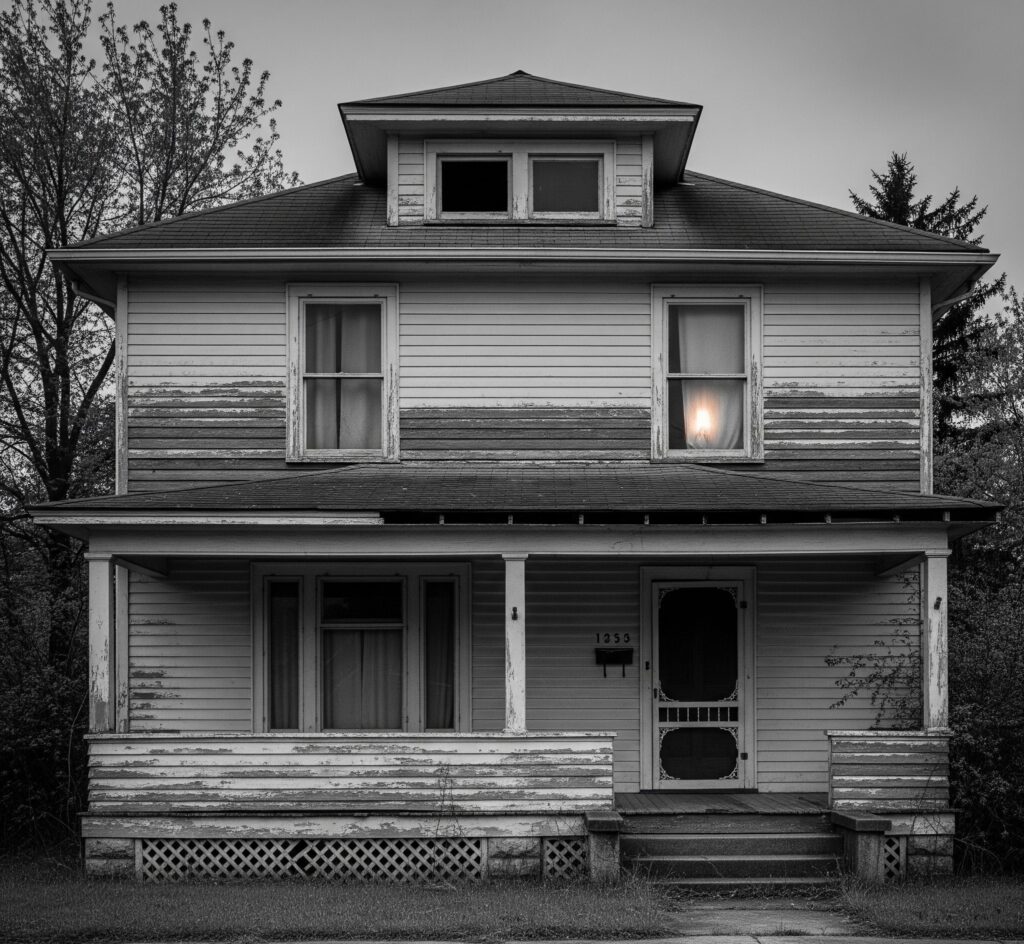
Then, abruptly, Ethan snapped back to reality. He stared intently at one house across the street. A light flickered on in an upstairs room. Ethan froze, amazed. How could this be? Was someone there? Was he not alone in Royal? The light shone brightly, and he could make out a shadow moving within. He tried to open his bedroom window, but that pane remained stubbornly stuck. Ethan grabbed his blue jeans and shirt, pulling them on in a rush. He looked out the window again. The light was still on.

He dashed down the stairs, bursting out the front door and into the street. He stood directly in front of that house. The light was still on. He could see the curtains rustling with a gentle breeze, the window open. A shadow appeared, walking across the room. Ethan stood in the street, mouth agape, his mind spiraling between past and present. The old photos flashed vividly: his grandfather, then the unknown woman, back to his grandfather, then the unknown woman. Then, a vision he’d never seen before: the two of them together. The image solidified in his mind, growing clearer until…

“Hello!” Ethan shouted, his voice tense. “Who is there? Who are you?”

The shadowy figure came closer to the window. Ethan wanted to move, to get nearer, but his feet felt rooted to the spot. The figure lifted the window pane higher. The bedroom light created a shimmering glow as she looked out. She was dressed in an old fashion white nightgown, her long brown hair cascading over her shoulders.

“Hello!” Ethan shouted again, desperation lacing his voice.

The figure turned her head and looked directly down at Ethan, a faint smile on her lips. The vision of her, the sheer beauty of her, burned an image into Ethan’s brain. He could only stare in amazement. Then, without a word, the image receded back into the bedroom, closed the window, and turned off the light. Ethan stood there for a few more minutes, staring up at the now dark window. Then, he turned and walked back to his house. He sat on the front porch steps, still gazing at the house across the street.

Morning light filtered through his bedroom window. Ethan opened his eyes. He was in his own bedroom. He sat on the edge of the bed, looking around. Was it all a dream? Did last night really happen? He picked up the picture frame and stared at the photos, especially the one of his grandfather. Then, in a split second, the vision of Ethan’s grandfather and the unknown woman flashed before his eyes again. It startled him, and he dropped the picture frame. Luckily, it didn’t break. He picked it up and placed it back on the nightstand. Ethan got up, ready to start another day.

He went downstairs to the kitchen to grab a bite to eat and plan his day. After eating some canned fruit, Ethan walked into the living room. On the coffee table lay the key. Ethan picked it up and stared at it. Again, in a split second, the same vision of Ethan’s grandfather and the unknown woman flashed before his eyes. He slipped the key into his pocket and went out the front door.

Ethan walked across the street and stood in front of the house. He looked up at the bedroom window. It was closed, looking as if it hadn’t been opened in many years. He walked up the front sidewalk, stopping once again to stare at the house. He reached into his pocket and pulled out the key. He walked up the front porch steps and opened the screen door. With a nervous hand, Ethan put the key into the front door lock. He closed his eyes, took a deep breath, and turned the key until he heard a click. He turned the doorknob and gave the door a slight push. It opened. Ethan took a couple of steps inside the house as the screen door closed softly behind him.

Dear Shirley


Editor’s Note

Get ready for a new voice in our advice column! This week, we’re thrilled to welcome Shirley Wendelski to the WRYL family.

We know how much you’ve enjoyed the wisdom and wit of Jadja Torkelwicz over the years. We’re incredibly grateful for her insightful guidance and wish her all the best as she retires to sunny Florida!

Shirley brings a fresh perspective and a warm heart to life’s challenges. We’re sure you’ll find her advice just as comforting and thought-provoking as you navigate your own twists and turns.

Please give Shirley a warm welcome!


Dear Shirley,

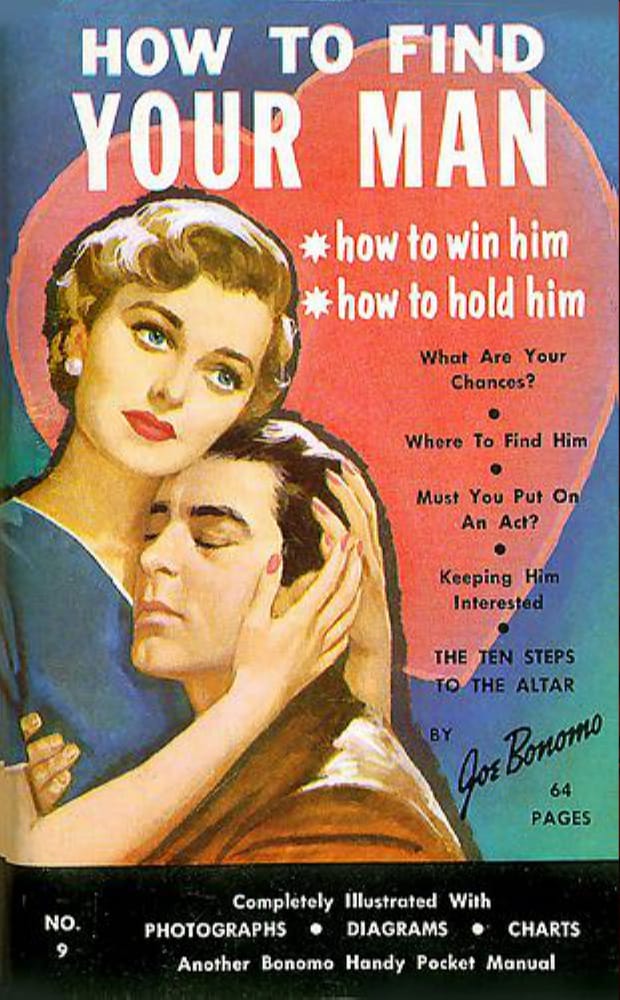
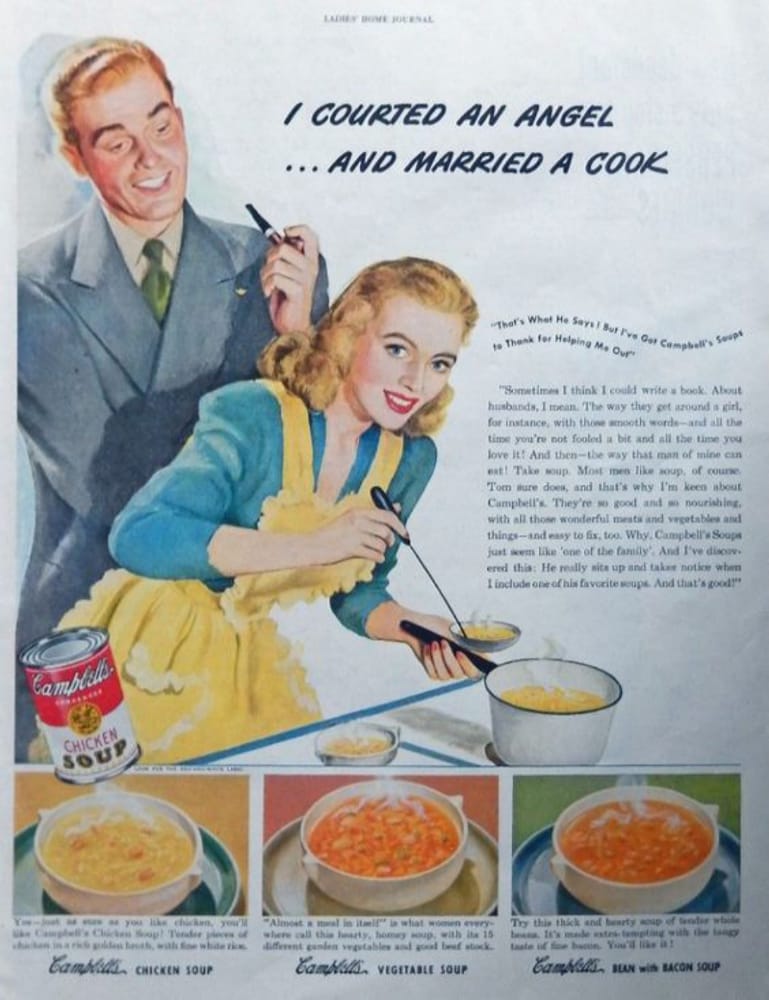
I’m a young woman in my early twenties, and I’ve found myself in quite a quandary. There’s a perfectly charming gentleman, Peter, who works at the soda fountain at Kressler’s Drug Store on Main Street. He’s got the nicest smile and always remembers how I like my cherry phosphate. The problem is, I don’t think he sees me as anything more than another customer! I’ve tried everything I can think of. I always wear my prettiest dresses when I go in, and I make sure my hair is just so. I even “accidentally” dropped my glove right in front of him last Tuesday, hoping he’d pick it up and our fingers would brush. He just pointed to it and said, “Ma’am, I believe you dropped this.” It was mortifying! My girlfriends tell me to be more “forward,” but frankly, the thought of directly telling a man my feelings makes me want to faint! Is there a subtle, ladylike way to let a fellow know you’re keen without making a spectacle of yourself? I’m worried if I don’t do something soon, he’ll be swooning over some other gal. 

Sincerely, 
Pining for Peter

Dear Pining for Peter, 

Oh, my dear, your predicament is as common as a poodle skirt at a sock hop! Many a heart has fluttered for a soda jerk with a kind smile. Rest assured, there are indeed ways to tip your hand without resorting to a grand declaration or, heaven forbid, tripping him with your dropped glove! First, let’s refine your “accidental” tactics. Instead of merely dropping something, try making eye contact and holding it just a fraction longer than polite. A warm, lingering gaze can speak volumes. When he’s handing you your phosphate, let your fingers “gently” brush his for a moment longer than necessary. A little spark, even a fleeting one, can ignite curiosity. Second, engage him in conversation beyond the weather. Ask him about his interests – does he follow baseball? Is he looking forward to the new picture show? Show genuine interest in his replies. Men, bless their hearts, do enjoy talking about themselves. And a compliment never goes amiss. Perhaps, “Stanley, you make the best cherry phosphate in the whole city!” Third, and this is where a touch of daring comes in, find a reason to linger or return. “Oh, dear, I seem to have forgotten my purse! I’ll be right back,” or “This phosphate is simply divine, I must try another next week!” Make yourself a pleasant, recurring fixture in his day. Familiarity, combined with your charming presence, can lead to fondness. And finally, my dear, if all else fails and you’ve tried these subtle cues, remember that sometimes a man needs a gentle nudge. You don’t have to declare undying love, but a simple, “Stanley, I always enjoy coming in here, you really brighten my day,” delivered with a genuine smile and that lingering eye contact, might just be the boldest, yet still ladylike, step you need to take. Good luck, Pining for Peter! May your future be as sweet as your favorite phosphate. 

Warmly,
Shirley 

Trapped By Television

This weekend at the Royal Bijou Theater is a film classic. It is a four genre cinema treat. The comedy, drama, crime, science fiction masterpiece Trapped By Television – starring Mary Astor, Lyle Talbot and Nate Pendleton. This 1936 film was directed by Del Lord.

An inventor is working on his latest creation, a new form of television monitor and camera, but is struggling to complete his invention due to lack of funds. His monetary problems are compounded by an aggressive bill collector looking for payments, and competition from a rival scientist. When organized crime figures are added to the mix, the desperation level rises for our intrepid inventor.

After the movie, head out to the lobby and actually have the opportunity to be on television yourself. WRYL will have its mobile television studio set up inside the Royal Bijou Theater. Walk up and stand in front of the camera and say hello to all your friends in Royal. Don’t worry about being camera shy. Our own Stan Jorgenson from WRYL Radio will be right there with you on the air.

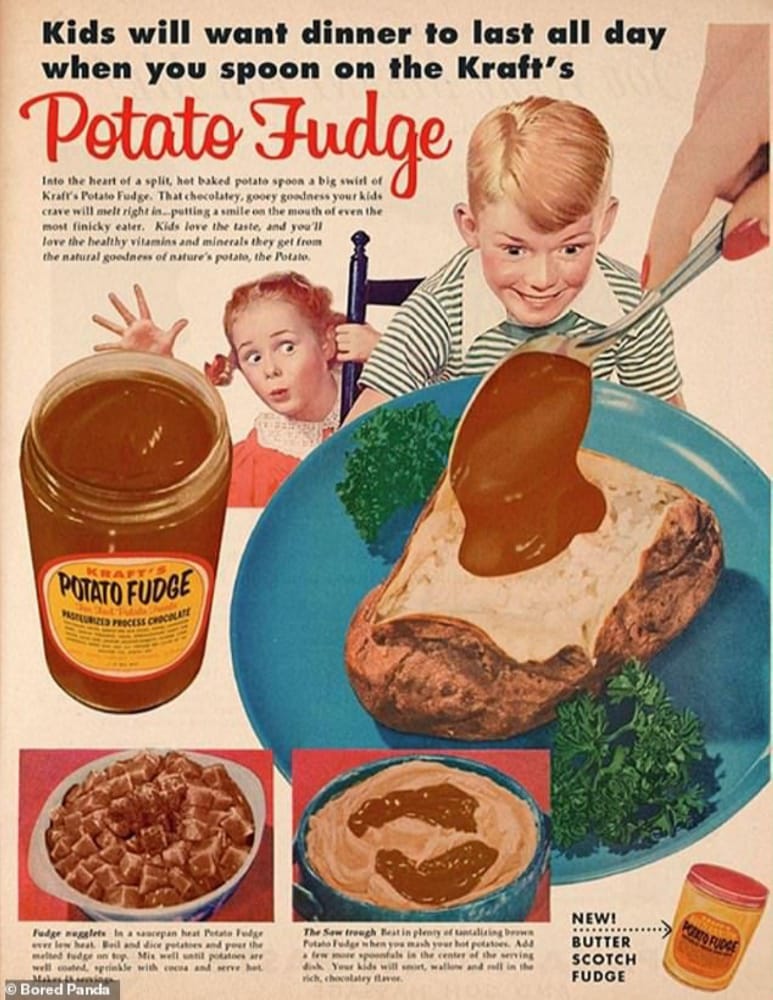
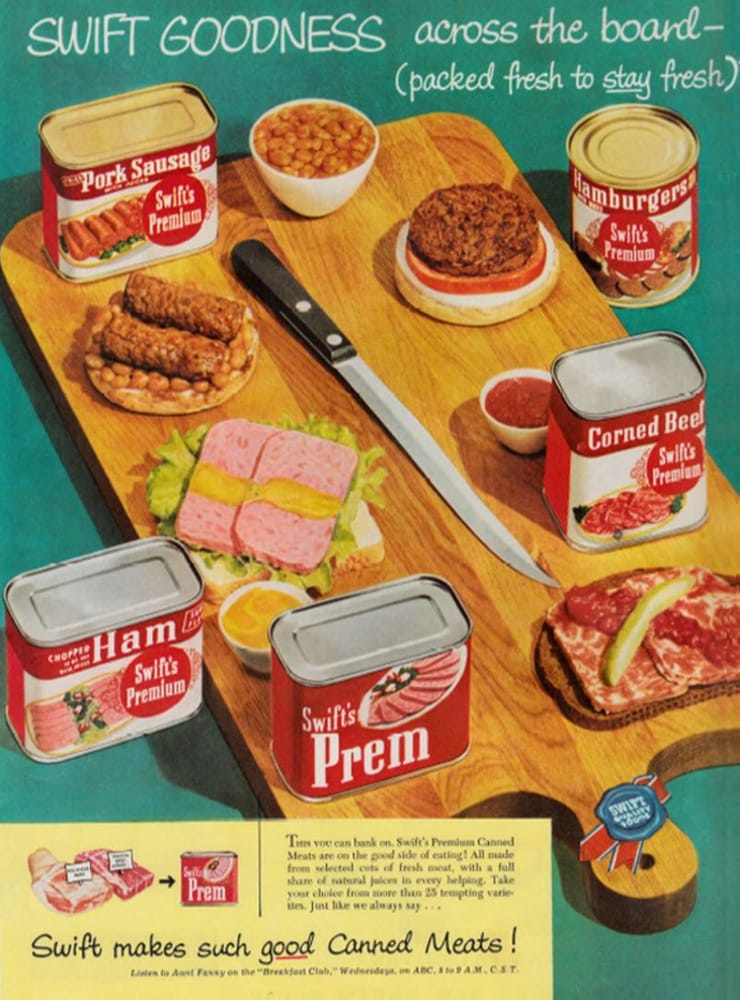
Saturday evening stop on down to the Royal VFW where Tommy Melk and the Melk Duds will serenade you with song and dance music. And what would be a Saturday evening without a surprise from Pastor Dzef and the crew at the Lunch Box Cafe. Homemade TV Dinners will be available at the Royal VFW. Each dinner served in an aluminum compartment tray. Choose from Turkey, Fried Chicken or Salisbury Steak. Each dinner served with mashed potatoes, mixed vegetables and apple compote. YUMMY!

Click the “Play” Button for a preview of the movie

WRYL Presents

The Wit And Wisdom Of Horace B. Miesner

Don’t worry about what other people think; they’re probably not thinking about you anyway.


WRYL – The Voice of the Great Up North

Chapter 8: Glimmers of a New Normal

The rhythmic whirl of the windmill had settled into a comforting hum, a constant testament to Ethan’s ingenuity. It had been a couple of weeks since that momentous flip of the “Power” switch, and in that time, Royal had begun to shed its shroud of desolation, thanks to Ethan’s persistent efforts. The house, once a silent monument to decay, now hummed with a growing energy, a quiet defiance against the wilderness encroaching around it.

Ethan had become a whirlwind of activity, moving through the house from top to bottom, assessing, cleaning, and mending. The tools from the shed, once alien in his hands, were now extensions of his will. He’d fixed the kitchen cabinets, their doors now closing with a satisfying click instead of a crooked groan. The incessant drip of leaky pipes in both the kitchen and the upstairs bathroom had been silenced, replaced by the steady flow of water.

Upstairs, he’d waged a relentless war against the cobwebs, sweeping away years of neglect to reveal a gleam of hardwood floors. The grimy windows, once opaque with time, now offered clear views of the outside world, letting in the filtered sunlight. A genuine find in one of the bedroom closets was an old vacuum cleaner. After some determined tinkering, it sputtered to life, its familiar hum a welcome sound. He’d meticulously set up the bedroom furniture, then dragged the mattresses he’d found outside to the back porch. There, under the vast northern sky, he’d beaten years of dust from them with the back of a shovel, creating miniature dust storms with each powerful swing. Some forgotten sheets, a blanket, and pillows, aired out for hours, transformed a dusty room into “his” bedroom. The bedroom ceiling light glowed warmly, as did the small bedside lamp. Ethan stepped back, a small smile touching his lips. No more lumpy living room couch; he had a bed now, a genuine sanctuary. It was another small success that brought a deep sense of satisfaction.

The entire interior was steadily falling into place. The pervasive grime and neglect had been systematically eradicated. He’d even managed to unstick a few more windows, allowing the crisp, clean air to circulate freely through the house. Finding some old window screens in the back of the shed had been another small victory, and he’d painstakingly fitted them to several main-level windows, keeping out the persistent swarm of insects. The fresh air, once a distant memory, now permeated every room.

But the most significant triumph, the one that truly brought a sense of normalcy back into his life, was the running water. The few initial leaks and loose pipes had been easily remedied with his newfound proficiency with wrenches and pliers. And the hot water… it was nothing short of heavenly. Ethan had spent considerable time scrubbing the bathroom, battling the years of accumulated dirt and grime until the porcelain gleamed. The first shower he’d taken in weeks was a profound experience, the hot water washing away not just the physical dust but also a layer of the lingering despair.

And then there was the food. The root cellar, a cool, dark sanctuary beneath the house, had yielded a surprising bounty. Much of the canned fruit was mushy, its texture compromised by time, but the flavor was still there, a sweet, comforting reminder of simpler days. The canned vegetables were a little more crisp, and the pickles – oh, the pickles! – were a delightful surprise. The canned beef and chicken stews were more akin to baby food in consistency, but they filled his stomach, and the taste, though bland, was undeniably present. Ethan wasn’t going hungry, and that in itself was a comfort.

With the basic necessities of shelter and sustenance now largely in hand, Ethan began to venture outside. He started taking daily walks around the neighborhood, each deserted house an enigma waiting to be explored. He would stop at each one, studying its faded paint, its broken windows, its sagging porches. He let his imagination wander, weaving elaborate stories about the families who had lived there, their laughter, their arguments, their dreams echoing in his mind as he walked the silent streets.

In the evenings, as the sun dipped below the horizon and the windmill’s rhythmic turning became a soft, hypnotic hum, Ethan would take out his notebook and journal his thoughts. He meticulously described each house he’d visited, creating narratives around the lives of its former inhabitants. He also chronicled his own daily tasks, the small victories, the lingering frustrations. And sometimes, in the quiet solitude of the house, he would allow his raw emotions to spill onto the page. He would write about the searing anger at his parents, the inexplicable circumstances that had led him to this forgotten town. He would feel a familiar pang of self-pity for being stuck here, disconnected from the world he knew. And a deep, aching sadness for missing Peggy, the woman he loved, her face a vivid, painful memory in his mind.

But one thing remained untouched, a silent testament to a grief too raw to confront: his violin. It stayed in its case in the corner of the living room, a polished, beautiful instrument that now felt like a relic from another lifetime. His profound love for playing, once an inseparable part of his identity, had simply disappeared, replaced by a heavy, unyielding silence. Maybe it was the weeks of isolation, the sheer weight of everything he’d gone through, or perhaps it was his lingering anger, the resentment and belittlement from his parents that still resonated deeply within him, preventing him from playing.

In the evenings, to fill the quiet hours, Ethan would delve into the books, magazines, and old newspapers he’d found scattered around the house. With each article or story, Ethan discovered a little bit more about the history of life in Royal, piecing together fragments of a bygone era.

One evening, while exploring one of the bedrooms, he found an old picture frame. It was empty, much to his initial disappointment. However, a thought sparked in his mind. He retrieved the photos he’d brought from home, along with the mysterious photos he’d found on the coffee table that perplexing morning a few weeks prior. He carefully arranged them in the frame, a tangible connection to his past and to the enigma that was Royal. Next to the picture frame, he placed the key he’d also found on the coffee table that same morning. Every night, before drifting off to sleep, Ethan would look at the photographs and pick up the key, turning it over in his fingers. He’d closely studied the faces in the pictures, both familiar and unknown, and the worn metal of the key. Were they clues to a mystery? Or were they answers to questions that had been stored up inside of him for years, waiting for the right moment to surface?

Scene 1 – Film History 101

INT. LECTURE HALL – DAY (SEPTEMBER 1977)

The lecture hall is old, the kind with tiered seating and creaky wooden desks. A flickering fluorescent light casts a sickly yellow glow. Students trickle in, a mix of bell-bottoms and flannel shirts. JEFF’S (V.O.) voice, dry and slightly world-weary, begins.

JEFF (V.O.) Nineteen seventy-seven. Disco was king, though nobody I knew actually liked it. Disillusionment was the prevailing intellectual fashion, even amongst those of us who hadn’t yet accomplished anything to be disillusioned about. And in the hallowed, or perhaps just humid, halls of the University of Wisconsin – Milwaukee, a new kind of delusion was brewing: the belief that we could make movies.

PROFESSOR SHELDON SILVERMAN (50s, tweed jacket, perpetually distracted) stands at the front, adjusting his notes. He clears his throat.

PROFESSOR SILVERMAN Alright, settle down, settle down. Welcome to Film History 101. A journey, if you will, through the celluloid dreams that have… well, that have been projected onto screens for the better part of a century.

LEONARD (20, hunched, thick glasses perpetually sliding down his nose) shuffles in, followed by STANLEY (20, slicked-back hair, wearing a too-tight leisure suit).

STANLEY (Whispering loudly) Film History. Sounds… epic. Like the history of empires, but with more close-ups.

LEONARD (Adjusting his glasses) More likely a litany of forgotten filmmakers and the socio-political subtext of early nitrate stock. Riveting.

MARVIN (20, longish hair, wearing a band t-shirt two sizes too big) ambles in, a look of profound boredom etched on his face. DEBORAH (20, bright-eyed, carrying a stack of film theory books) enters next, trying to appear organized. CYNTHIA (20, pale, perpetually inhaling and exhaling, though no cigarette is visible) trails behind.

They find seats in the middle, clustering together almost instinctively.

PROFESSOR SILVERMAN (Continuing) Today, we begin with the Lumière brothers. Pioneers! Thinkers! Men with a… a vision for capturing reality. Though their reality, I suspect, was considerably less… anxiety-ridden than our own.

LEONARD (Muttering) Try dealing with existential dread and a faulty camera, Professor. Then talk to me about anxiety.

STANLEY (Scoffs) The Lumières? Amateurs. They were making glorified home movies. Where’s the glamour? The sweeping scores? The love triangles?

MARVIN (Deadpan) Maybe the love triangle was between the camera, the tripod, and the roll of film.

Cynthia lets out a dry, silent laugh, a puff of imaginary smoke escaping her lips. Deborah nudges Stanley.

DEBORAH Stanley, be serious. This is foundational stuff. We need to understand the basics before we can, you know… revolutionize cinema.

STANLEY Revolutionize? Debbie, darling, we’re going to Hollywoodize cinema! Think big! Think spectacle! Think… my agent calling Spielberg!

A hand shoots up in the front row.

STUDENT 1 Professor Silverman, will we be discussing the Marxist interpretations of The Great Train Robbery?

Leonard groans softly.

LEONARD Oh, God. Here we go.

MARVIN (Under his breath) I’d rather discuss the actual robbery of a great train. At least that has some narrative drive.

PROFESSOR SILVERMAN (Adjusting his tie) Well, yes, we can certainly touch upon the… socio-economic implications of early narrative film. Though I find the lens of Freudian analysis equally… perplexing.

Another hand goes up.

STUDENT 2 Will there be extra credit opportunities? I’m already feeling a bit overwhelmed by the syllabus.

CYNTHIA (To herself, exhaling) Overwhelmed? Honey, you haven’t even lived yet. Try a lifetime of vague disappointment. That’s overwhelming.

Leonard snorts, trying to stifle a laugh. Stanley beams, sensing an audience.

STANLEY Extra credit? The only extra credit in this business is when your film makes a billion dollars! Then everyone wants a piece of your… genius.

Deborah sighs, pinching the bridge of her nose.

DEBORAH Can we just focus on the lecture? Please?

Professor Silverman drones on, oblivious to the miniature theatre of the absurd unfolding in the middle of the hall. Leonard catches Cynthia’s eye, a small smile playing on his lips. Marvin subtly nods in agreement with one of Leonard’s muttered sarcastic remarks. A shared sense of bewildered amusement begins to weave its way through the group.

The loud RING of the class bell echoes through the hall. Students begin to pack their bags.

PROFESSOR SILVERMAN Alright, that’s all for today. Next week, we delve into the groundbreaking… uh… techniques of D.W. Griffith. Don’t forget the reading! It’s… illuminating. In a dusty sort of way.

The five hapless souls rise, their movements still slightly awkward and uncertain, but a subtle shift has occurred.

DEBORAH: So, anyone want to grab some coffee? The Union should be… less depressing than this.

STANLEY Coffee? Excellent! We can discuss my ideas for a gritty, neo-realist musical set in a Milwaukee brewery! It’s got… passion. And polka.

LEONARD (Dryly) Sounds… plausible.

MARVIN As long as the coffee is strong enough to erase the last fifty minutes from my memory, I’m in.

Cynthia nods in agreement, taking a long, satisfying drag on her invisible cigarette. They walk out of the lecture hall together, a budding, unlikely camaraderie forming in the stale air.

JEFF (V.O.) And so it began. Five strangers, united by a shared delusion and a profound lack of direction. Little did they know, their journey into the world of filmmaking would be less about glamorous premieres and artistic triumphs, and more about lukewarm coffee, endless arguments, and the persistent feeling that they were all in way over their heads. But for now, there was coffee. And the faint, flickering hope that maybe, just maybe, they weren’t quite so alone in their haplessness.

EXT. UNIVERSITY HALLWAY – CONTINUOUS

The group walks down the crowded hallway, their voices blending with the general student noise.

FADE OUT.

The Lost Screenplays

Introduction

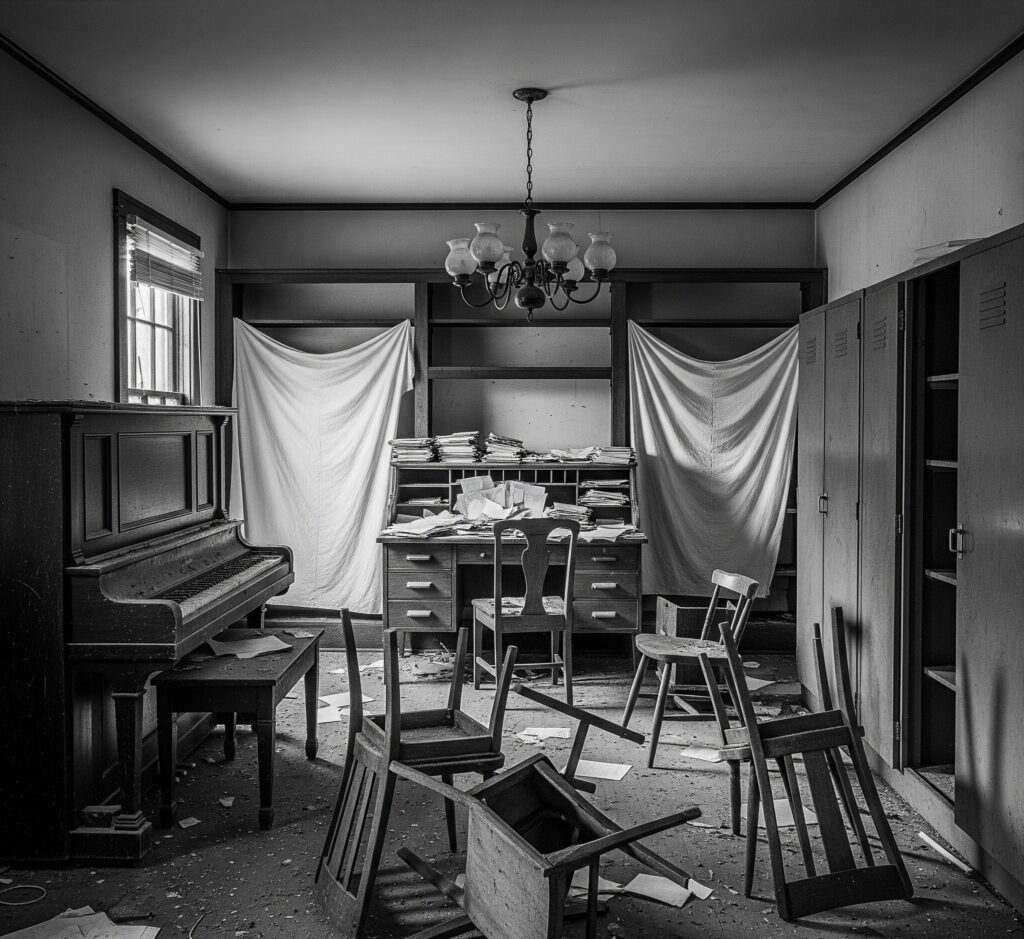
In the quiet, dusty basement of the long-abandoned radio station WRYL, a remarkable discovery was made: a weathered wooden box containing a collection of unproduced screenplays. Penned in pencil on looseleaf paper, these scripts date back to the late 1970s, offering a fascinating glimpse into a creative mind from a bygone era.

The identity of the author remains a mystery. It’s believed these screenplays were written by a young college student who found himself stranded in the deserted town of Royal. This individual’s sudden and unexplained disappearance is still an open case with local authorities, adding another layer of intrigue to the collection.

“The Lost Screenplays” presents these rediscovered works, some incomplete or damaged by the passage of time. This ongoing effort aims to preserve and showcase the imaginative spirit of the mysterious traveler who, for a brief period, called Royal home.

WRYL Presents

The Wit And Wisdom Of Horace B. Miesner

If at first you don’t succeed, lower your standards.


WRYL – The Voice of the Great Up North

« Older posts Newer posts »

© 2026 Red Berry Workshop

Theme by Anders NorenUp ↑

error: Content is protected !!